How Often Should You Replace Your Toothbrush? Here's the Rule

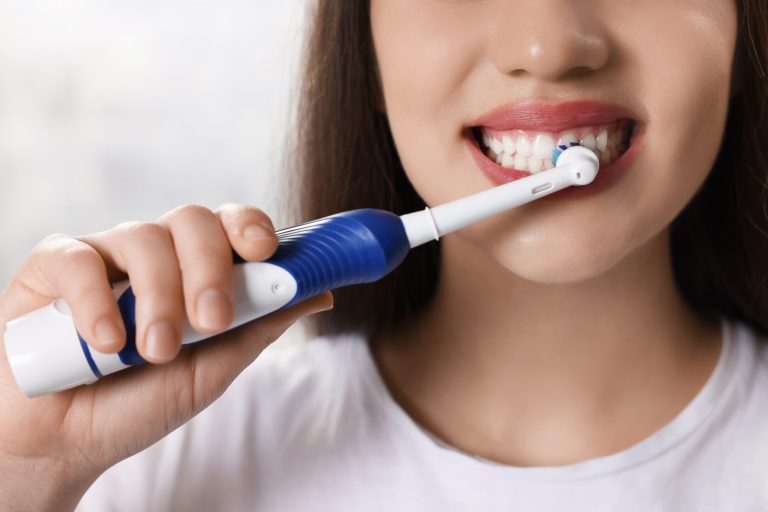
Close-up of a person's smile while brushing their front teeth with a blue and white manual toothbrush.

When did you last change your toothbrush? If you have to stop and think, you're not alone. Most of us keep a brush until the bristles look like a worn-out broom, then wonder why our gums feel tender or our breath isn't as fresh.
Knowing how often to replace your toothbrush is one of the easiest ways to protect your teeth, and it costs almost nothing. This post covers the standard schedule, what changes for electric brush heads, when to swap sooner and simple ways to remember. You'll also get storage tips that keep your brush cleaner between changes. No special products required.

How Often to Replace Your Toothbrush: Every Three to Four Months

The American Dental Association advises a new toothbrush every three to four months, or sooner if the bristles fray. Worn bristles bend away from your teeth and stop reaching the gumline, where plaque tends to collect.

Try this quick check. Hold your brush at eye level and look at the bristles.

  • Spreading past the edge of the head? Replace it.
  • Bent, flattened or discoloured? Replace it.
  • Still straight and springy? You're good for now.

Do Electric Toothbrush Heads Need Replacing as Often?

Yes. An electric brush head wears the same way a manual brush does, so follow the same three to four month schedule. Many brush heads have coloured indicator bristles that fade with use, which gives you a visual reminder.

  • Buy heads in multipacks so a spare is always ready
  • Write the start date on the box
  • Give each family member a different coloured ring or head

When to Replace Your Toothbrush Sooner

Some situations call for a new brush before the three-month mark.

  • After a cold, flu or sore throat, once you feel better
  • If the brush fell on the bathroom floor or touched someone else's brush
  • After a trip where it sat in a damp, closed case
  • If your child chews the bristles flat

Bleeding while brushing is worth a closer look, since it can be one of the early signs of gum disease. Our post on the warning signs of a worn-out toothbrush explains more.

How to Store Your Toothbrush and Remember to Change It

Good storage keeps your brush cleaner between changes. Moisture helps bacteria grow, so skip closed containers for everyday storage.

  1. Rinse the brush well after each use.
  2. Store it upright in an open holder so it can air dry.
  3. Keep family brushes from touching each other.
  4. Pick an easy reminder date and stick to it.

For example, swap brushes on the first day of each season, or after every professional teeth cleaning. One shared swap day keeps the whole household on track.

Make a Fresh Toothbrush Part of Your Routine

A toothbrush only works as well as its bristles. Once they fray, they miss the gumline and leave plaque behind, no matter how carefully you brush. A simple schedule fixes that. Swap every three to four months, sooner after illness or visible wear, and store your brush where it can dry. Tie the swap to something you already do, like a change of season or a hygiene visit, and it becomes automatic.

Due for a cleaning too? Pair your next brush swap with a visit to our Oakville office. Book your next hygiene visit and start fresh.

FAQs About When To Replace Your Toothbrush

Often, yes. Children tend to chew on bristles and brush with more force, so their brushes can wear out in a month or two. Check your child’s brush every few weeks and replace it when the bristles splay. Our family dentistry in Oakville team can show kids how to brush without chewing.

No, cleaning a brush does not replace a new one. Rinsing well and letting it air dry is enough for daily care. No cleaning method can straighten worn or splayed bristles, and harsh methods like boiling can damage the head. Keep replacing the brush on schedule instead.

Give it a second life as a cleaning tool before you throw it out. Old brushes are handy for scrubbing grout, jewellery, shoe soles and bike chains. Most plastic toothbrushes can’t go in the blue box, so check Halton Region’s waste guide before you toss one in recycling.

other articles

You Might Also Like

Here are some additional blog posts that may help you reach your oral healthcare goals.

Young girl smiling at her teeth in a mirror during a dental visit with her mother nearby.

New to Oakville? How to Choose a Family Dentist

New to Oakville? How to Choose a Family Dentist Quick Answer Just moved? Here’s what to sort out first when finding a family dentist in Oakville: Request your records early. Ask your old clinic to send your history and X-rays

Read More