How to Brush Your Teeth the Right Way in Six Simple Steps

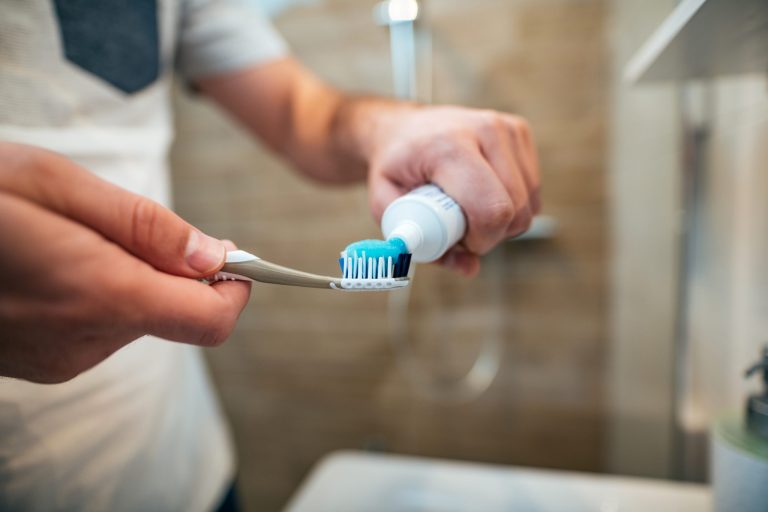
Close-up of a person squeezing blue toothpaste from a tube onto the bristles of a toothbrush over a bathroom sink.

You brush twice a day, and still your hygienist finds plaque along the gumline. Sound familiar? Most of us learned to brush as kids and never had a refresher. Small habits creep in, like scrubbing too hard, rushing through in 45 seconds or skipping the inside surfaces. Over time, those habits leave plaque behind and wear on your gums.
This guide shows you how to brush your teeth step by step. You'll learn how long to brush, which common mistakes to drop and how to adjust for kids, braces and sensitive teeth. Each tip is simple enough to try tonight before bed.

How to Brush Your Teeth in Six Steps

Grab a soft-bristled brush and a fluoride toothpaste, then follow these steps:

  1. Hold the brush at a 45-degree angle to your gums.
  2. Move it gently back and forth in short, tooth-wide strokes.
  3. Clean the outer surfaces of every tooth, then the inner surfaces.
  4. Brush the chewing surfaces of your back teeth.
  5. Tilt the brush upright and use up-and-down strokes behind your front teeth.
  6. Brush your tongue to clear bacteria that cause bad breath.

Steps one to five follow brushing guidance from the American Dental Association.

How Long and How Often Should You Brush Your Teeth?

Brush twice a day for two full minutes. It feels longer than it is. The Canadian Dental Association gives the same advice: two minutes, twice a day, with fluoride toothpaste.

Here's an easy way to time it. Split your mouth into four sections: upper right, upper left, lower left and lower right.

  • Spend about 30 seconds on each section
  • Use a phone timer or a favourite song if your brush has no timer
  • Brush once in the morning and once before bed

These two minutes are the foundation of preventive dentistry at home.

Common Brushing Mistakes That Wear Down Teeth and Gums

Good intentions can still cause damage. Watch for these habits:

  • Scrubbing hard, which can wear enamel and irritate gums
  • Brushing right after citrus, soda or wine instead of waiting about 30 minutes
  • Missing the gumline, where plaque tends to collect
  • Rinsing with water right after brushing, which washes away fluoride

For extra protection against cavities, ask us about in-office fluoride treatment.

Brushing Tips for Kids, Braces and Sensitive Teeth

Some mouths need small adjustments.

  • Kids: brush for them first, then let them take a turn. Ask us how much toothpaste suits your child's age
  • Braces or aligners: brush after meals and before aligner trays go back in
  • Sensitive teeth: use light pressure, a soft brush and a toothpaste made for sensitivity

We cover brushing habits at every visit for dental care for kids in Oakville. Recovering from surgery? Our guide to brushing after wisdom tooth removal walks you through it.

Small Brushing Changes That Add Up

Good brushing comes down to angle, time and a light touch. Point the bristles toward the gumline, give every surface attention for two full minutes and let the brush do the work instead of your arm. Small changes, like waiting after acidic drinks and spitting instead of rinsing, add up over months and years.

Even with strong technique, plaque can harden in spots a brush can't reach. A professional cleaning takes care of what's left. Book a hygiene appointment and our team can show you any spots you're missing.

FAQs About How To Brush Your Teeth

Brushing before breakfast is often the easier choice. It clears overnight plaque and coats your teeth with fluoride before you eat. If you prefer to brush after, wait about 30 minutes, especially after coffee, juice or fruit. The main goal is two thorough brushing sessions every day.

Yes, as long as you brush gently with a soft brush. Brushing after lunch can help if food tends to get stuck or you wear aligners. Brushing hard several times a day can wear on enamel and gums, though. If you just want a midday refresh, rinsing with water is a gentle option.

Yes. A toothbrush can’t reach the tight spaces between your teeth, where plaque and food collect. Clean between your teeth once a day with floss, interdental brushes or a water flosser. Doing it before you brush can help your fluoride toothpaste reach more surfaces.

other articles

You Might Also Like

Here are some additional blog posts that may help you reach your oral healthcare goals.

Collection of manual toothbrushes in various colours, including blue, pink, green and yellow, arranged on a white background.

Do Toothbrush Brands Really Matter for Healthy Teeth?

Do Toothbrush Brands Really Matter for Healthy Teeth? Oral-B or Sonicare? Colgate or the pharmacy’s house brand? If you’ve ever stood in the aisle comparing toothbrush brands and wondering whether the pricier one is worth it, you’re not alone. Brand

Read More